Part of a Bigger System
Europe is the largest integrated electricity market in the world. The purpose of the system is to deliver reliable, affordable, and clean electricity within the European Union member states and across their national borders. The market combines physical infrastructure, regulatory frameworks, and commercial platforms that allow electricity to move efficiently between regions.
Power Producers and Consumers
The European power generation includes a diverse mix of producers from wind, solar, hydro, nuclear, geothermal, gas and coal power plants. The users of electricity range from large industries and small and medium-sized companies to households. Electricity can be traded in several different markets, depending on which type of contract a party prefers to enter into.
The largest volumes of electricity trading in Europe are facilitated by the Nominated Electricity Market Operators (NEMOs), in the Day-Ahead, Intraday and Balancing markets.

Electricity Markets
To ensure continuous balance between supply and demand in the European electricity system, there are three distinct physical markets where electricity is traded. The Day-Ahead market provides trading opportunities for energy to be delivered and consumed the following day. The Intraday market allows market participants to trade electricity and adjust positions closer to real time after the day-ahead market has closed. Both these markets are operated by the NEMOs. Lastly, the balancing market ensures that Transmission System Operators (TSOs) can buy or sell electricity to maintain real-time balance between electricity supply and demand.
These markets enable efficient price formation and allow the participants to procure or sell electricity based on their own (or their customers’) needs. Then, available cross-border capacities are allocated in a way as to maximise overall economic welfare for the joint European market. The capacity itself is offer by for example Baltic Cable, along with Svenska kraftnät in Sweden and Tennet in Germany
Transparent and well-regulated trading platforms support competition and strengthens overall system efficiency.

Regulators
The European electricity market is regulated by European Union directives and regulations. These set the rules and legal frameworks for how Europe’s energy markets and all their participants function and operate. This ensures transparency, fair competition, consumer protection, and alignment with EU-wide objectives such as decarbonisation and security of supply.
By overseeing among other things market design, and cross-border cooperation, national regulatory authorities (NRAs) are responsible for ensuring a stable framework needed for efficient and reliable electricity systems by ensuring that directives and regulations are implemented and followed.


Interconnectors
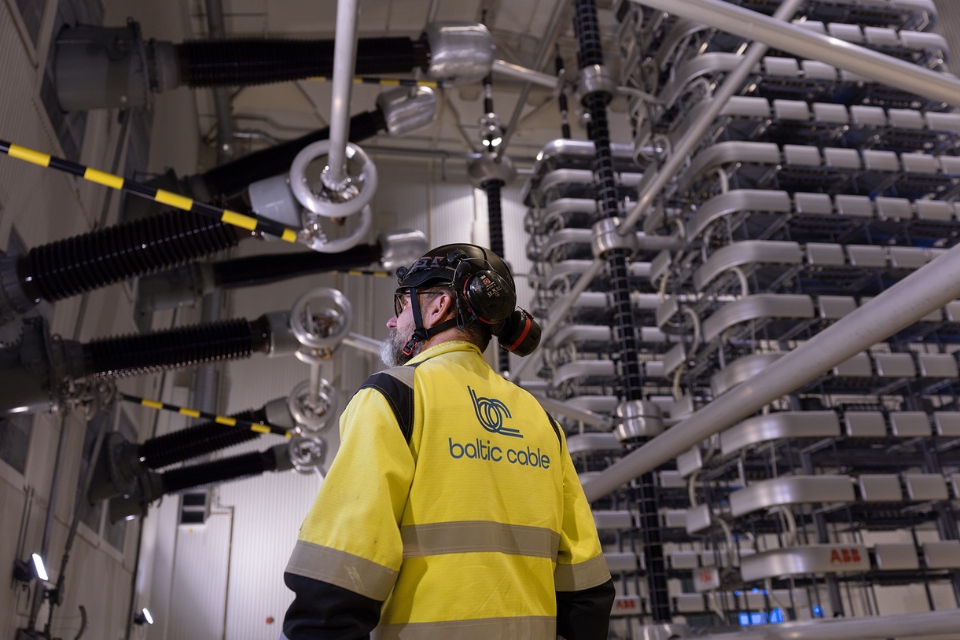
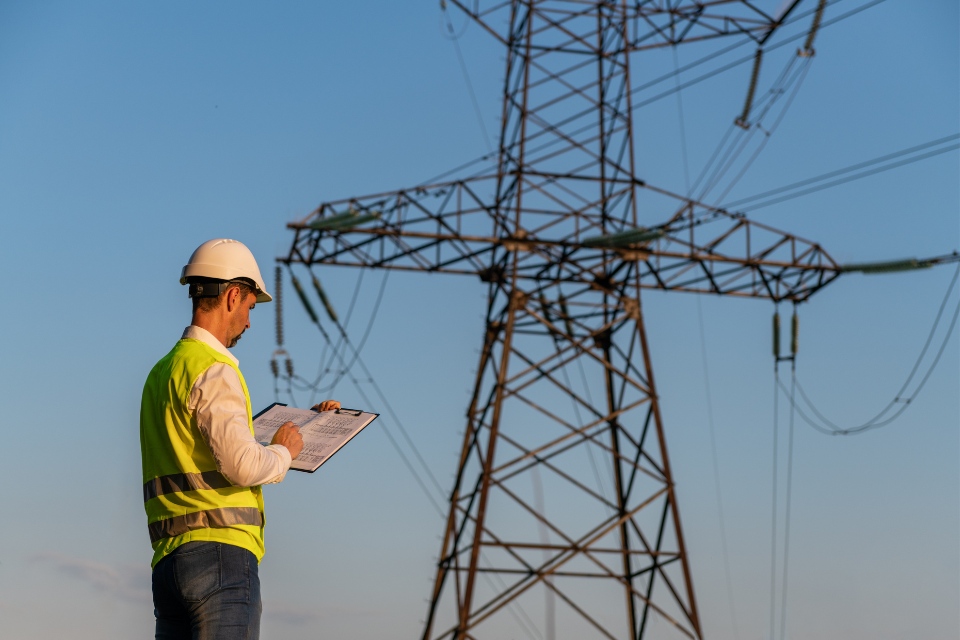
Interconnectors are the high-voltage transmission lines that physically connect the electricity systems of member states and third countries to enable cross-border power flows in Europe. The transmission lines can be high-voltage direct current (HVDC) submarine power cables like Baltic Cable, or alternate current (AC) overhead lines running across national borders.
By allowing regions to share energy resources, interconnectors strengthen security of supply, support competitiveness, and improve overall system efficiency by making sure no intermittent energy sources goes to waste. Instead, more sustainable power can flow across borders to where it is needed most.
Interconnector Transmission System Operator
Interconnector TSOs, like Baltic Cable, are specialised entities operating one or more interconnectors that connect the electricity markets of two two countries and AC grid areas. Interconnector TSOs are fully certified and fully regulated. Unlike control area TSOs, interconnector TSOs have neither control area responsibilities, customers, or tariffs. Their main source of income is congestion income.
Interconnector TSOs can play a significant role at the electricity market.