Part of a bigger system
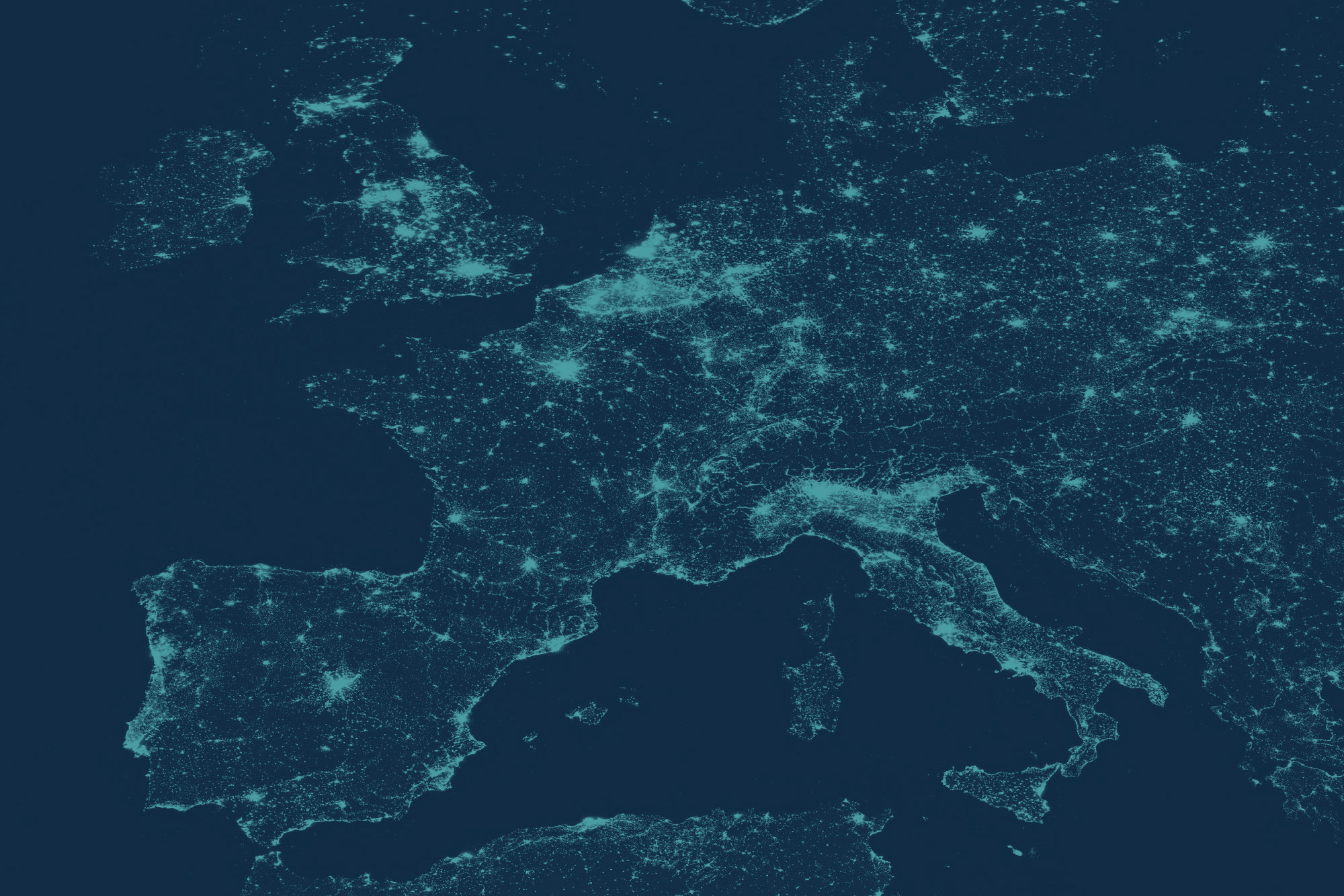
Europe is the largest interconnected electrical grid in the world. The systems purpose is to deliver reliable, affordable, and increasingly more sustainable power across national borders. The market combines physical infrastructure, regulatory frameworks, and commercial platforms that allow electricity to move efficiently between regions.
Power generation/Producers
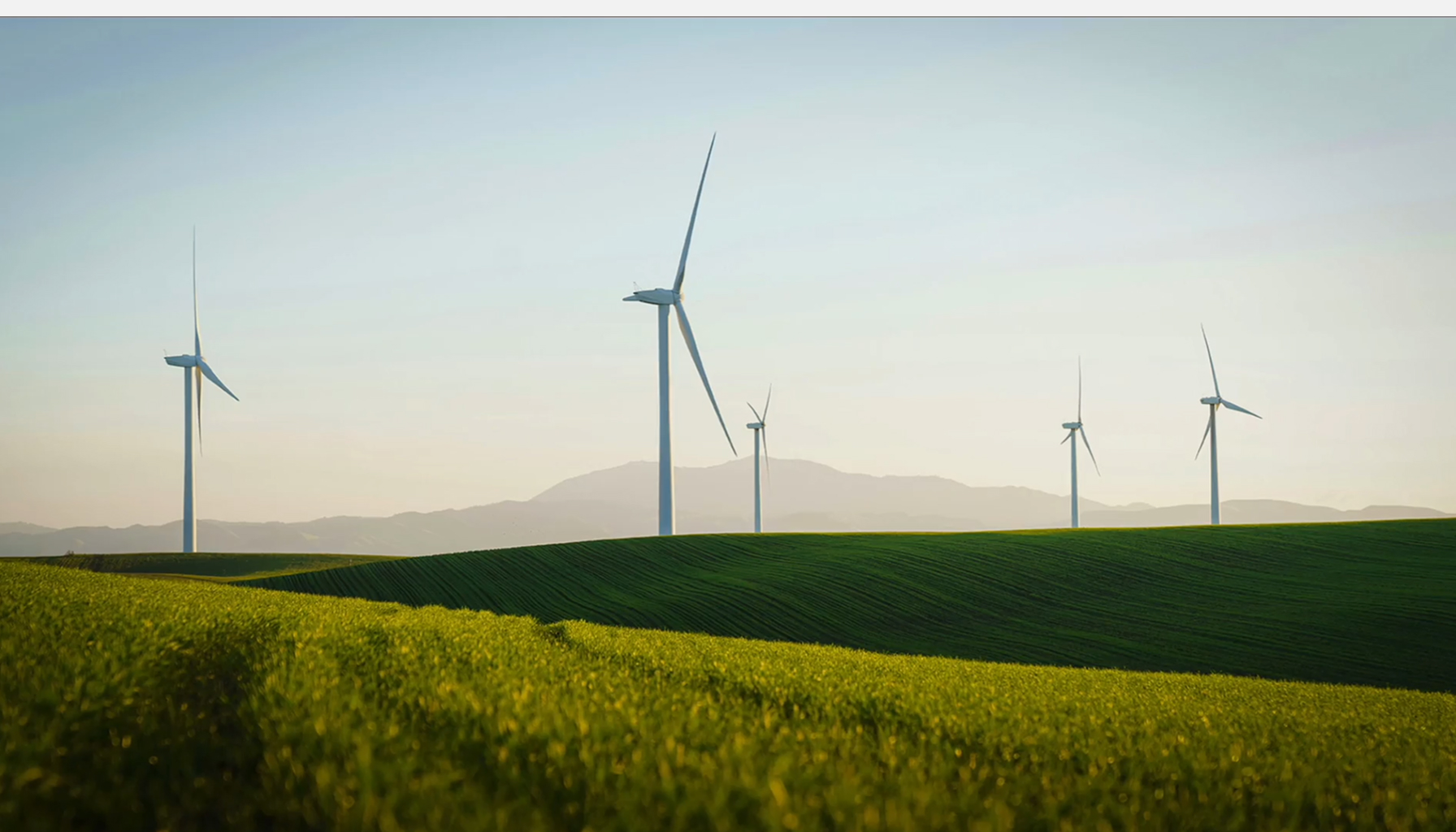
The European power generation includes a diverse mix of producers from wind, solar, hydro, nuclear, and thermal and coal power plants, across several countries. These producers supply electricity into national systems, where it is traded and distributed by the market operators. The producers also respond to market signals of supply and demand and follow necessary regulatory requirements.
Market operators
Market operators run the platforms where electricity is traded - day-ahead, intraday, and balancing markets. These markets enable efficient price formation and allow the participants; Power generators, Nominated Electricity Market Operators (NEMOs) and Transmission System Operators (TSOs), to sell, buy and transmit electricity based on evolving needs. Transparent and well-regulated trading supports competition and strengthens overall system efficiency.
Transmission system operators
There are more than 60 TSOs that connect the European Union and nearby markets – and Baltic Cable is one of them. The TSOs are responsible for the secure and coordinated operations of Europe’s electricity system. Their role is to operate, maintain and develop the high-voltage networks that transport electricity over long distances. TSOs balance supply and demand in real time, in accordance with instructions from market operators, ensure system stability, and coordinate with neighbouring countries.
Interconnectors
Interconnectors are the high-voltage links that physically connect the electricity systems of different countries to enable cross-border power flows. They can be subsea cables like Baltic Cable, or overhead lines running across national borders. By allowing regions to share resources, interconnectors strengthen security of supply, support competition, and improve overall system efficiency.
Regulators
Regulators set the rules that guide how Europe’s energy markets and all its participants function and operate. They ensure transparency, fair competition, consumer protection, and alignment with EU-wide objectives such as decarbonisation and security of supply. By overseeing tariffs, market design, and cross-border cooperation, regulators are responsible for ensuring a stable framework needed for efficient and reliable electricity systems.