The interconnection gap
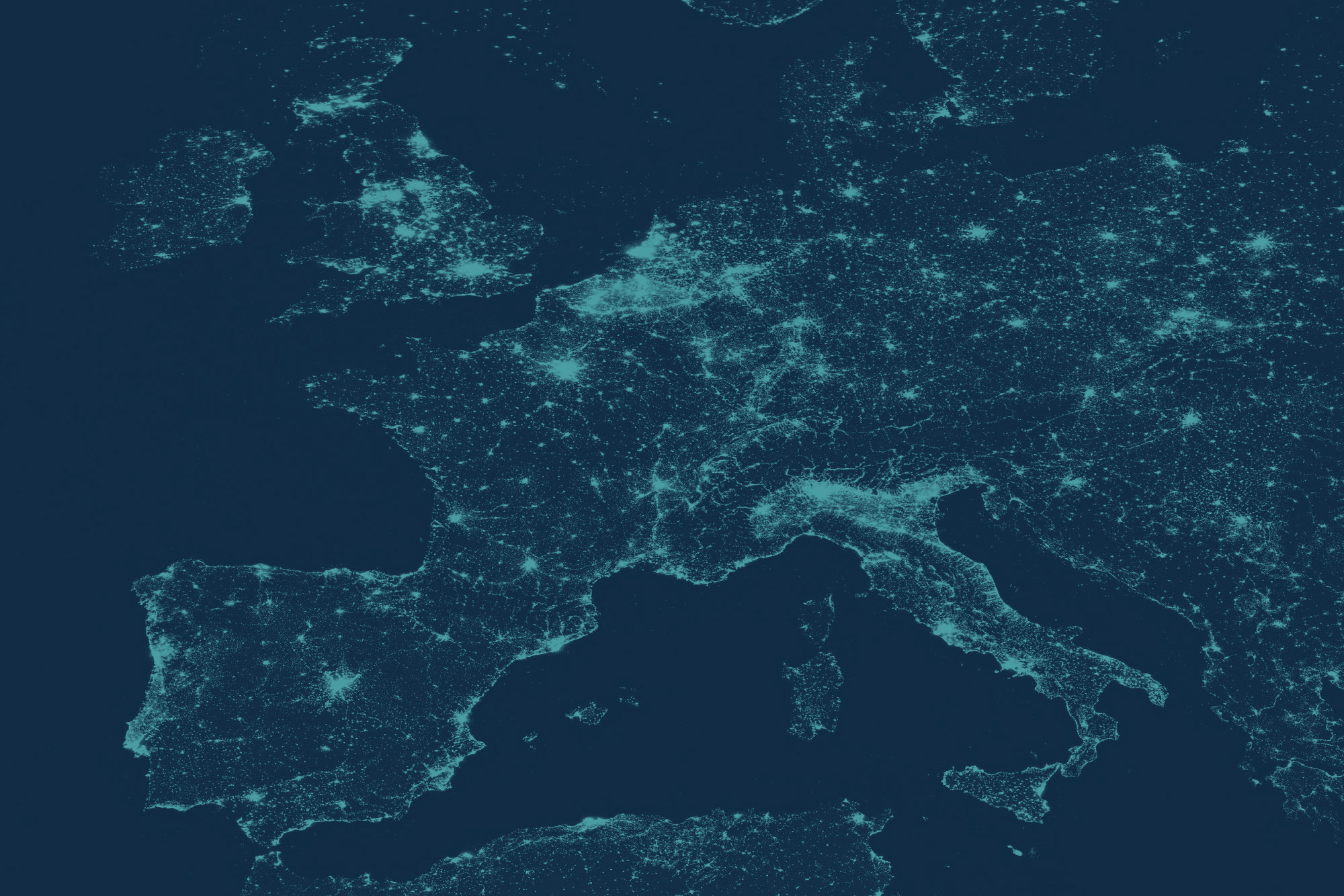
The European Union aims to build a fully interconnected continent – a true European energy union. By 2023, our energy system has a 32 GW interconnection gap that must be filled, growing to a 37 GW gap by 2040. Closing the gap is a colossal task that requires industry actors, investors and manufacturers to work fast. Here, not only Interconnectors, but especially interconnector TSOs, are perfectly positioned to support the development.
An Interconnector Transmission System Operator
Baltic Cable is an Interconnector Transmission System Operator (TSO). Interconnector TSOs are small, specialized entities operating one or more interconnectors to link markets and Alternating Current (AC) grid areas. Fully certified and regulated, they have no control area responsibilities or tariffs, unlike regular TSOs, only congestion income. Interconnector TSOs play a key role in the European energy market by providing capacity that enhances market integration and facilitates the energy transition.
However, regulatory uncertainty, insufficient investment, and regulations that are not tailored to the specific needs of interconnector TSOs are challenges that hinder further development.
The three pillars of the European Union
The European Union has three focus areas on its agenda: the energy transition, increased competitiveness and strengthened security, all critical factor for Europe’s future. A flexible and resilient electricity system is essential in the development of all these areas, and interconnectors, that physically link national electricity grids and allow power to flow between countries, play a key role.
Strengthened security
As global instability grows, safeguarding Europe’s critical infrastructure and ensuring energy availability are becoming increasingly vital. This demands a robust and reliable electricity system where multiple actors work together. No European country stands alone. It is cross-border collaboration and increased interconnection that builds a more resilient electricity system and creates a stronger and more secure Europe.
The energy transition
As renewable energy sources grow, the electricity system must become more flexible to manage their intermittent nature. Increased interconnections help prevent supply shortages and meet unexpected demand by allowing electricity to flow efficiently across borders, ensuring that energy from hydro, wind, or solar-rich regions is effectively used throughout Europe. Through more Interconnectors, electricity can flow to where it is needed – and not go to waste.
Increased competitiveness
To foster European innovation, business development and entrepreneurial success – electricity is key. Whether it’s the development of industries, new companies, or the electrification of the European continent, more interconnection and cross-border collaboration is crucial to ensure the reliable supply of electricity required for a truly competitive Europe.