The Baltic Cable assets
The Baltic Cable connects the transmission systems of Sweden and Germany through a submarine cable with converter stations at each end.


The submarine HVCD cable
The Baltic Cable is a High-voltage Direct Current (HVDC) submarine interconnector. The cable, designed and manufactured by ABB High Voltage Cables, has been laid in only two sections with a single sea joint and has subsequently been buried beneath the seabed.
The converter stations
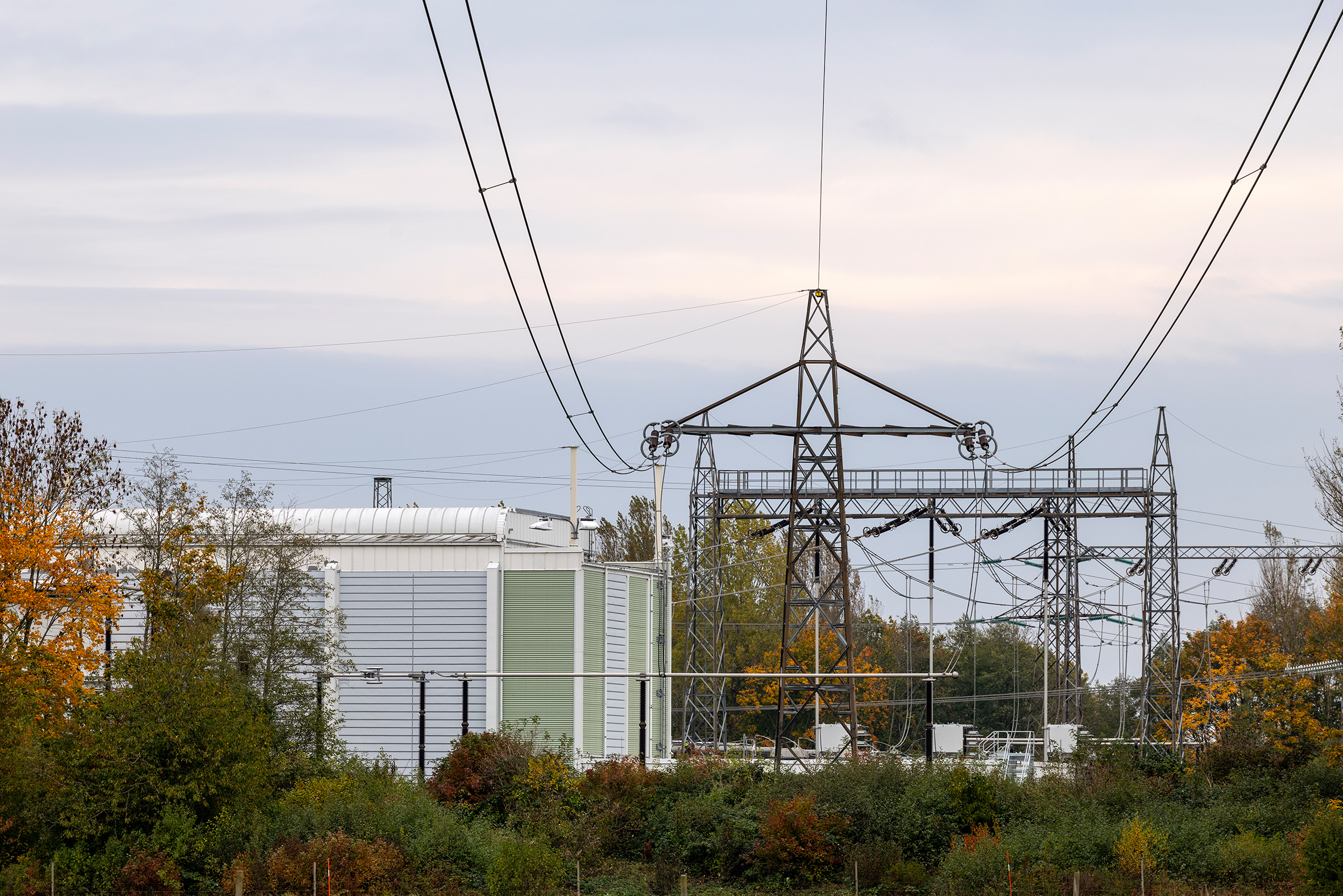
The converter stations are located in Germany and Sweden and were delivered by ABB, now Hitachi Energy. The converter technology used is the Line Commutated Converter (LCC), equipped with water-cooled and air-insulated thyristor valves and state-of-the-art control systems. The switchyard incorporates Alternating Current (AC), and Direct Current DC, filters to minimise harmonics and enhance efficiency. The transformers are of a single-phase type and are equipped with three windings per unit, each with individual on-load tap changers.
Security of supply
HVDC and LCC technology used in the Baltic Cable assets is a proven, reliable technology with low energy losses. The total transmission losses are approximately 2.4 percent from the cable and converter stations combined. In addition to reliable and efficient power transmission, Baltic Cable can quickly support the Swedish or German grid with Emergency Power Control (EPC) if needed to help the electricity grids in a crisis.
Maintenance and outages
Commissioned in the mid-1990s, the Baltic Cable is planned to be operational until 2050 – a 55-year life span that demands proactive maintenance. To keep unplanned outages to a minimum, our whole asset system is constantly monitored.
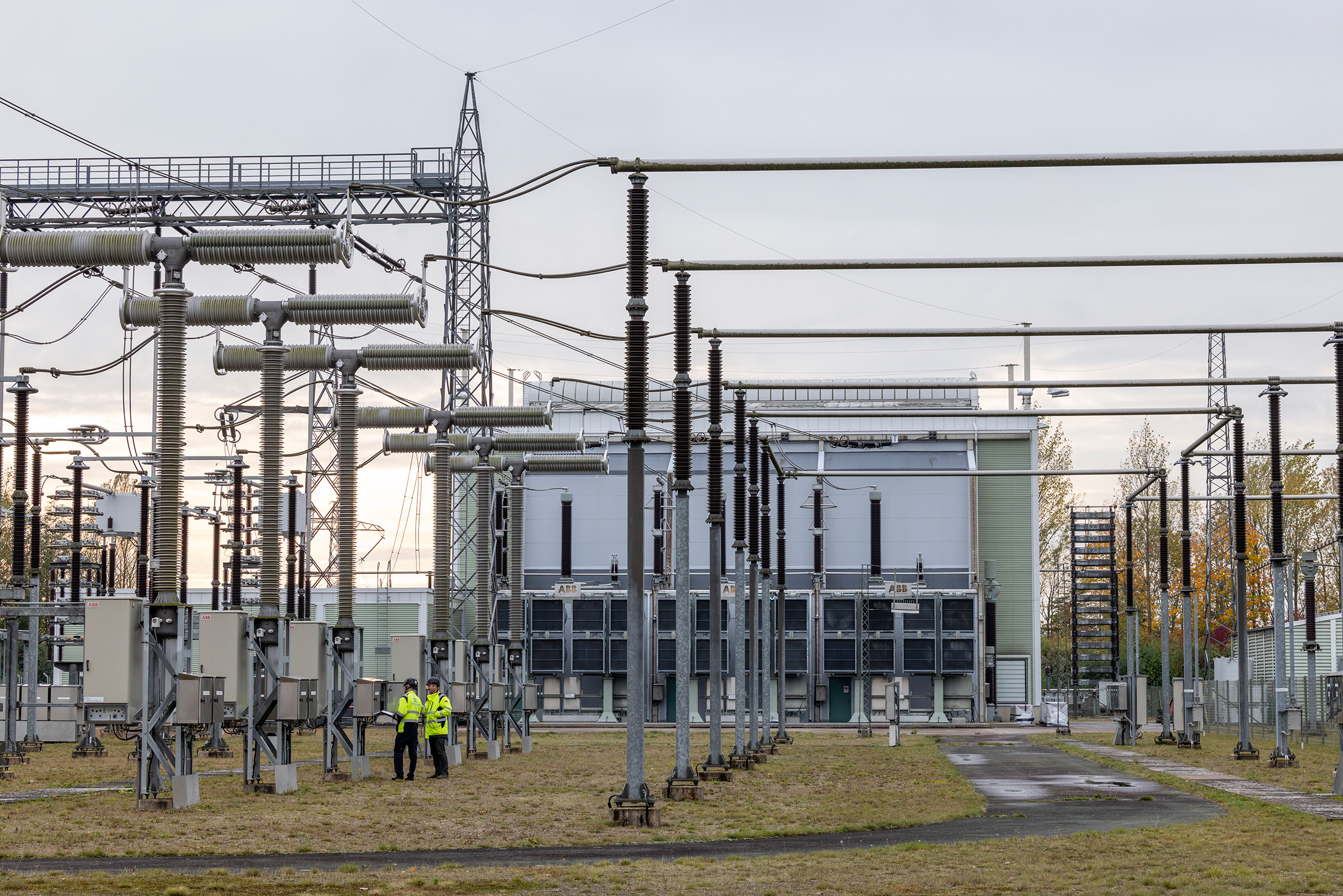
By prioritizing preventative maintenance and employing advanced diagnostic techniques during the operational lifetime of HVDC LCC systems, Baltic Cable can ensure reliable and efficient power transmission for decades to come.
Jonas Brink
Technical Manager